
Support Healthy Development: 3-5 Years

At this age, children are becoming more independent in daily activities like getting dressed, using the toilet and washing their hands. At this age, learning starts to be in different subjects, like math and science, as children prepare for kindergarten.
Relationships with us are the foundation for lifelong mental health 
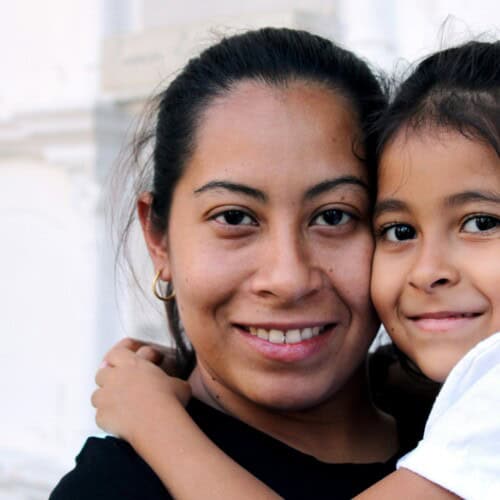
Help children understand their feelings
Help them make sense of their emotions by using words to describe how they feel and how others feel. Teaching children the words for emotions helps them talk about their feelings (instead of just acting on them).
Encourage friendships
Playing with other children helps kids learn to share, take turns, and resolve conflict. These are skills that develop over time with adult support. Help them understand how their actions make others feel.
Let children take the lead
Check out books from the library on the topics that your child loves. Describe their activities as they are doing them. Play with your child and follow their lead.
How children this age think, learn and interact
3-5 Years | Communication





Source: Colorado Early Learning & Development Guidelines, EarlyLearningCO.org
Tips to Support Your Child’s Healthy Social-Emotional Development
Help them see how their actions affect others. Use simple questions to build empathy: “How did Daniel feel when you took his toy? What can you do to help him feel better?”
Model healthy interactions. Show what taking turns, sharing, and cooperative play look like.
Stay calm during big feelings. Keep your child close to ensure safety. When they’ve settled, talk together about what made the moment hard.
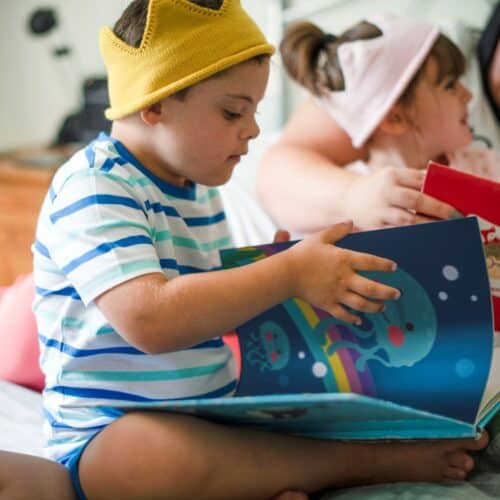
Use books to explore feelings. Talk about how characters feel and why.
Teach healthy ways to express emotions. Dancing, squeezing playdough, talking to an adult, or safely hitting a pillow can help children release strong feelings.
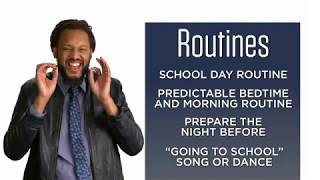
Stick to consistent routines. Predictable schedules—especially at bedtime—help children feel grounded and secure.
Explain rules clearly. Use simple language and explain why each rule matters.
Preparing Your Child for School

Starting school is a big transition in your child’s early life and an important and exciting step in their development!
These resources offer tips and strategies to help ease the worry of your child starting school — for both of you!
- Check out these suggested activities and routines to prepare your child for their first day of preschool. Find ideas to help your child prepare for a smooth transition, including pretend play about preschool and activities to ease children’s worry.
- Is your child headed to kindergarten? Preparing your child for school can be fun and can include a variety of activities. With this great list of tips, your child will be ready to take the first day of kindergarten by storm!
More Resources for Parents & Caregivers of children 3-5 Years

Support Social-Emotional Development & Mental Health
Strong social-emotional skills are part of the foundation for lifelong mental health. As adults, it’s our job to help children develop these skills.

Parenting Tips by Text
Lantern sends messages with tips and activities for caregivers of children that are targeted to your child’s age. Messages include information on development, health and safety, behavior, and more.

Activities to Build Your Child's Brain!
Vroom Tips are fun activities that turn everyday moments into opportunities to build your child’s brain. You can receive Vroom Tips via the app, text message, email or social media.


